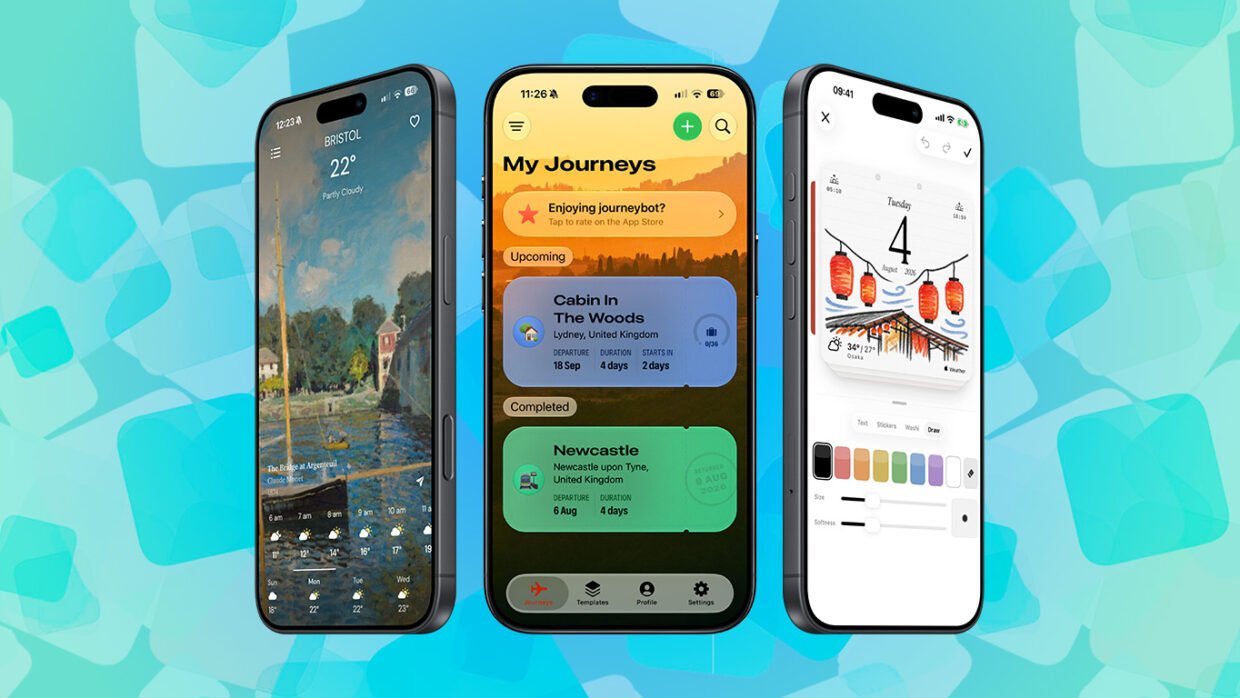

Apple gets more than 1,000 app submissions an hour, and AI-assisted “vibe coding” has only added to the flood. It’s a double-edged sword: it’s lowered the barrier to entry for people with fresh ideas, but it’s also buried the App Store in low-effort slop. So each month I go digging for the gems – under-the-radar apps that haven’t had the attention they deserve yet.
The best of them are built with love, often to scratch an itch the dev is uniquely obsessed with, and they fill the weird niches bigger studios would never attempt. Since last month’s showcase the submissions have kept pouring in, and narrowing them down to 10 hasn’t gotten any easier. One lucky winner gets a full write-up and bragging rights among their peers. Congrats to everyone featured, and apologies to those who missed out.
Every app here was built by a real person, often in their spare time, and most have only a handful of reviews. If something catches your eye, show the dev some love with a rating or review on the App Store.
Winner
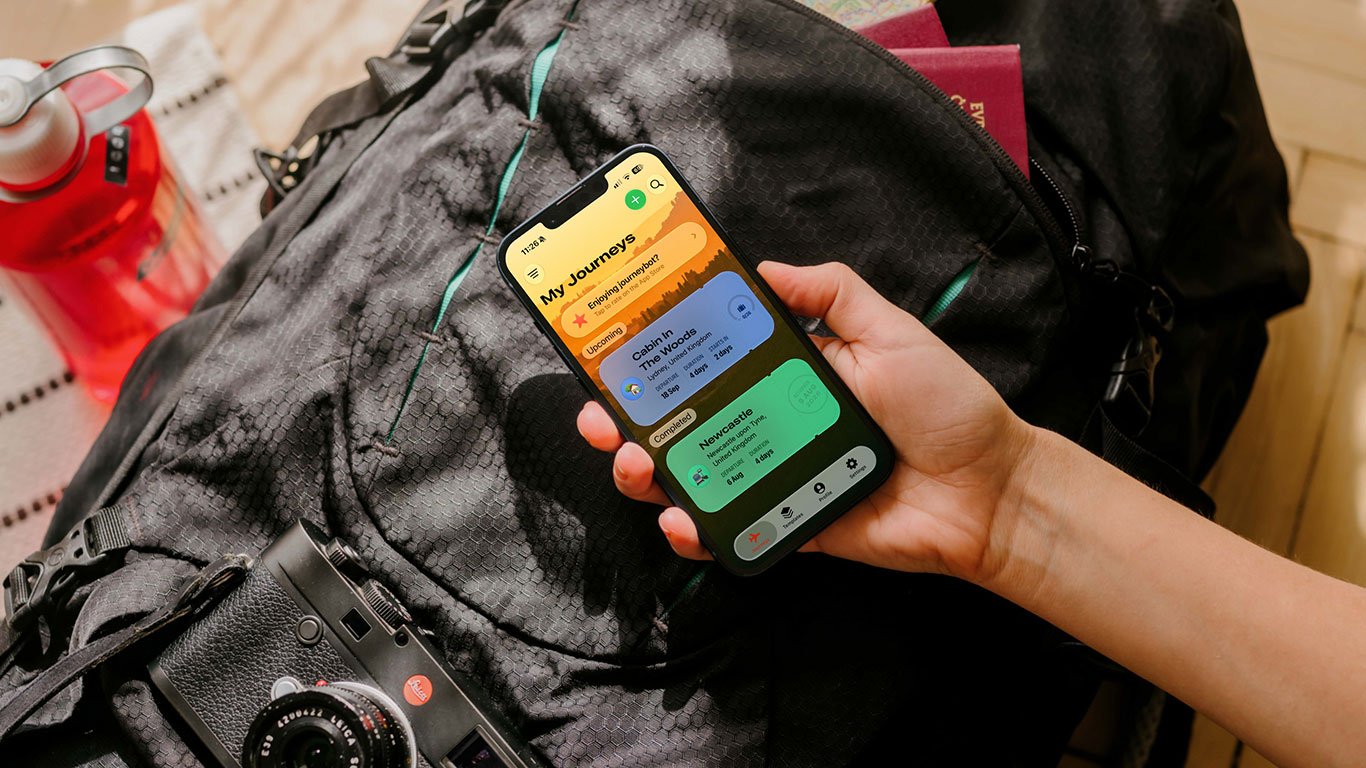
Journeybot (free or $5/£5 monthly) is the travel app pitch that’s impressed me the most, and as a serial forgetter of things, it’s been a genuine help when planning for trips. Tell it where you’re going, how you’re getting there, and what you’ve got planned, and it checks the weather at your destination and builds a smart packing list on your device that pretty much nails what you need. The presentation is lovely, with bags of personality wrapped around an easy-to-navigate interface. Read my full review.
Runners-up
Fortissimo ($10/£10) is an offline, album-first music player with no algorithm and no feed – you rate songs, it builds an album score automatically, then ranks that album against the rest of your library over time. The dev built it to finally rank his 1,800-plus ripped CDs, and reckons it’s made for “maybe 100 people” – but those 100 people will love it. I mostly stream these days, but the thought of an app that champions your own collection and personal rankings appeals more to me every day.
Pirates (free trial, then $20/£20 yearly) is an app blocker that doubles as a cozy pirate-cat game. I’ve seen plenty of app blockers before, but this one gamifies things in a smart way – rather than a block you can dismiss with one tap, you earn gold by completing focus sessions, then spend it to unlock distracting apps for a set period. Gold also buys outfits, ships, and new cats for your crew, and quitting a session early means forfeiting what you would have earned. It’s all wrapped in a really cute hand-drawn pirate theme.
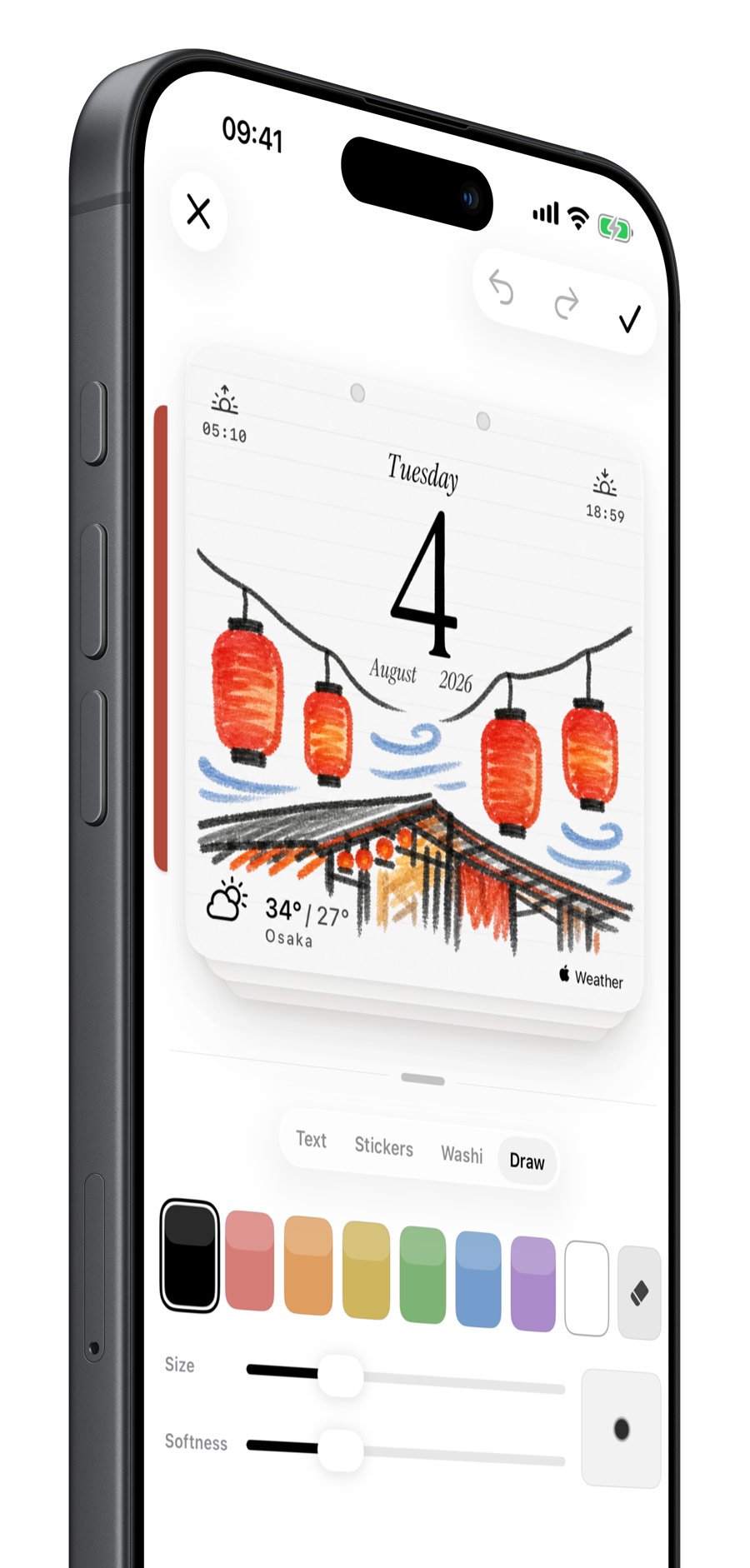
Hibi (free or $7/£7 unlock) is a daily planner inspired by Japanese stationery, pulling in your existing calendars and reminders and laying them out on pages you can decorate with drawings, stickers, and washi tape. It’s another charmingly lo-fi pick that brings some tactile creativity to a category that’s usually pretty dry – pages tear away with a swipe, and the paper shifts subtly as you tilt your phone. I love that sorting your schedule and decorating your day happen in the same place, so you can flip back through past pages almost like a visual diary.
Humblebrag (free or $6/£6 monthly) grabs activity numbers from Apple Health – plus the number of days you’ve been alive – and turns them into comparisons you can actually picture. 10,032 days on Earth works out at roughly 1.4 times as long as it took to build the Great Pyramid of Giza, for example. It’s a simple idea, but it makes stats that can often feel a bit abstract much more concrete, and it gives you a fun new way to show off to friends! The dev also links a source for every one of its 6,150 comparisons, which is a nice way to learn some new facts you can relate back to your personal achievements.
TeFont (free or $2/£2 unlock) turns your handwriting into a real font without ever leaving your iPhone or iPad. I’ve experimented with making a custom font before, and it can be both laborious and pricey – TeFont skips the usual print, write, and scan routine by letting you draw each character directly on screen, and you only need to create the characters you’ll actually use. Finished fonts export as standard OTF files, and it can even turn your pen strokes into an animated GIF. It’s something everyone should give a try.
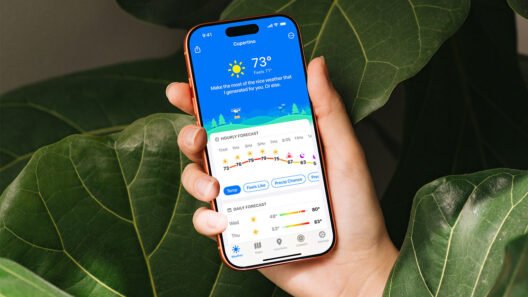
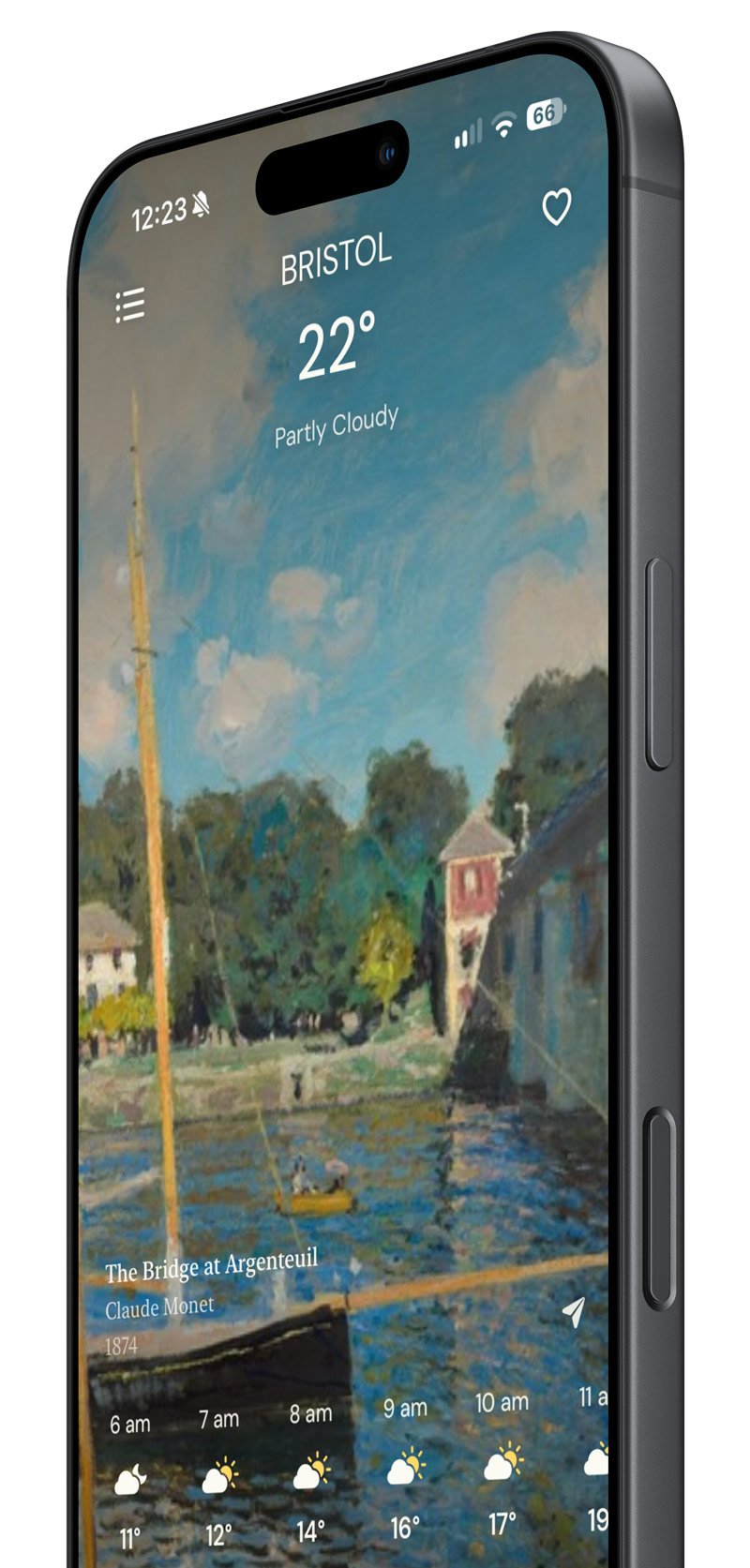
Every Cloud (free or $2/£2 monthly) swaps the usual weather icons for a gallery of paintings, prints, and sketches chosen to match the mood outside, from Romantic storms to Impressionist haze. Tap to hide the forecast and you’re left with just the artwork, and you can save favorites to your own private gallery. This one has seriously broad appeal – it’s doing numbers on TikTok, but it’s also one of the few apps I’ve ever recommended to my tech-averse mum. In an App Store awash with generated images, it’s great to see someone bringing classic human-made art back into focus.
Laytr (free for 30 saves, or $2/£2 monthly) is a really well-presented take on the read-later app, with one crucial addition: time. Save an article, video, or screenshot from any share sheet, choose when you want it back – tonight, the weekend, a specific date – and it returns to the top of the pile right when you’ve actually got time to sink your teeth into it. Everything stays on your iPhone, articles are kept for offline reading, and it can even search the text inside your screenshots. I love the color scheme too.
Three Good Things (free) is a journal built around one simple exercise: write down three things that went well each day. It’s already doing well, and I can see why – it’s a low-effort approach to gratitude journaling that even the most diary-averse can get on board with. You can add photos and look back through past days in a calendar, and it’s completely free with no ads or in-app purchases. The dev first built it as a high school senior back in 2017, and has just rebuilt it from the ground up.
Must Read (free or $5/£4 monthly) is a book tracker, and while those are nothing new, this one does the job very nicely. It searches a database of 114 million books, serves up hand-curated lists for 24 countries, and suggests your next read based on what you’ve already finished. The real reason I like it, though, is the gorgeous visual bookshelf, which you can share with a friend or keep on your Home Screen. The dev originally built it for his sister in 2016, and it’s still a one-person operation a decade later – the latest update improves book recommendations based on your tastes and reading history.
More to come
This list is only the tip of the iceberg when it comes to interesting indie apps, and I’ll continue to champion small creators here each month. In the meantime if you’ve built something you’d like to share, feel free to email it over.